Anerley rubbish removal guide for Anerley Station locals
If you live, work, or commute around Anerley Station, rubbish has a way of building up faster than you expect. One broken wardrobe in the hallway, a couple of garden bags by the back gate, a stack of builder's offcuts after a weekend project, and suddenly the whole place feels tighter, messier, and a bit less manageable. This Anerley rubbish removal guide for Anerley Station locals is here to make the process feel calmer and more practical. You'll find out what rubbish removal actually covers, how the process usually works, what to watch out for, and how to choose the right method for your space, schedule, and budget.
Truth be told, most people do not need a complicated solution. They just need the waste gone without fuss, without damage, and without that nagging worry about whether it was disposed of properly. That's what this guide is for.
- Why it matters locally
- How the process works
- Key benefits and advantages
- Who this is for
- Step-by-step guidance
- Expert tips
- Common mistakes to avoid
- Tools, resources and recommendations
- Law, compliance and best practice
- Options and comparison table
- Real-world example
- Practical checklist
- Conclusion
- Frequently asked questions
Why Anerley rubbish removal guide for Anerley Station locals Matters
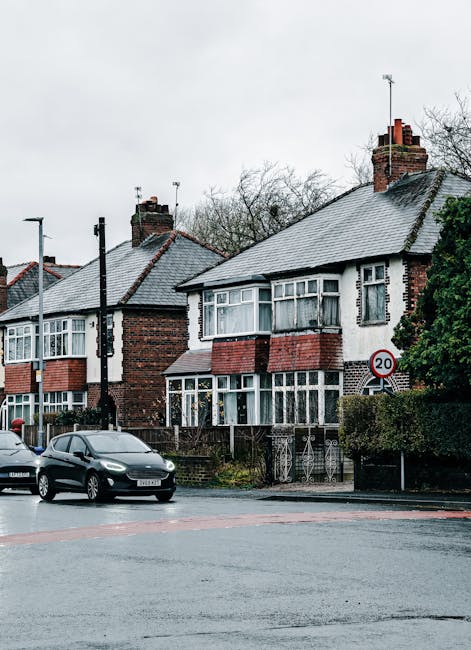
Anerley Station sits in a busy slice of South London where homes, flats, shops, small businesses, and renovation projects all create different kinds of waste. That mix matters. A one-size-fits-all approach usually leads to awkward delays, overpaying for a service you do not really need, or leaving rubbish in a way that creates safety or access problems.
For station locals, space is often the real pressure point. Flats near the station can have tight stairwells, limited frontage, and awkward access. Terraced homes may have narrow side paths. Businesses may need collections timed around opening hours. And if you're doing a loft clear-out or clearing a garage that has quietly become a storage cave, you'll notice very quickly that the "I'll sort it later" plan runs out of road. We've all been there.
Good rubbish removal is about more than getting rid of junk. It helps keep shared entrances clear, prevents trip hazards, reduces stress, and makes it easier to get back to normal life. For many people, that is the real win.
It also helps when you want to avoid the false economy of doing everything twice. A lot of people hire a vehicle, start loading, then realise they need help lifting the heavy bits or separating items for recycling. A simple bit of planning at the start saves a lot of huffing and puffing later on.
Expert summary: If your rubbish is bulky, awkward, or time-sensitive, the best approach is usually to sort the waste type first, check access second, and choose a removal method that fits your property rather than forcing your property to fit the method.
How Anerley rubbish removal guide for Anerley Station locals Works
Rubbish removal is usually straightforward, but the best results come from understanding the moving parts before anyone turns up at the kerb. At a practical level, it tends to work like this: you identify what needs to go, estimate how much space it will take, choose a suitable service or disposal route, and arrange collection or drop-off.
In a local setting, the details matter. A first-floor flat with no lift is very different from a ground-floor office. A small pile of bagged waste is different from a sofa, mattress, broken desk, or mixed builder's debris. If you are dealing with several types of waste at once, the removal plan should reflect that mix.
Many households and businesses use a clearance service when the items are too bulky, too numerous, or too awkward for standard council collection. Others need help with specialist streams such as appliance removal, sofa disposal, or builder's waste clearance. If you are planning a larger property reset, pages like house clearance, flat clearance, and home clearance can be useful to explore as you decide what level of support you need.
The key thing is that rubbish removal should feel controlled. You should know what is being taken, what needs to stay aside, and what the end point is. No mystery piles. No last-minute panic.
What usually happens on the day
On collection day, the team normally assesses access, confirms the load, and removes the waste with as little disruption as possible. If the job is well prepared, the process can move quickly. If the waste is mixed together, blocked behind furniture, or partly hidden in a loft or garage, it takes longer. Simple enough, but worth planning for.
For heavier or more specialised items, it may help to check specific disposal routes in advance, especially for mattress and sofa disposal, fridge and appliance removal, or furniture disposal. Those items often need a slightly different approach from general rubbish.
Key Benefits and Practical Advantages
There are a few clear reasons why local residents and businesses prefer a structured rubbish removal service over trying to improvise.
- It saves time: you avoid multiple car trips, loading mistakes, and long waits.
- It reduces physical strain: heavy lifting is where many jobs become stressful or risky.
- It supports better sorting: recyclable items, reusable items, and general waste can be separated more sensibly.
- It helps with access issues: useful when stairs, narrow paths, or shared entrances make DIY disposal awkward.
- It keeps the property usable: especially helpful during refurbishments, moves, or inheritance clearances.
There's also a less obvious benefit: peace of mind. When rubbish is sitting around, even a small pile can make the whole place feel unfinished. Once it's gone, the room tends to look bigger, calmer, and easier to manage. It sounds minor. It really isn't.
For businesses, there is a commercial benefit too. Clutter at the back of a shop, in an office corner, or by a loading area can interfere with daily operations. If waste is being generated regularly, you may want to compare a one-off clearance with a more regular arrangement through business waste removal.
Who This Is For and When It Makes Sense
This guide is for anyone around Anerley Station who has more waste than can be handled comfortably through normal bins or occasional council collections. That includes flat residents, homeowners, landlords, shop owners, office managers, tradespeople, and anyone tackling a one-off clear-out.
It makes sense when:
- you are moving house and need old items cleared quickly
- you have renovated a room and now have leftover materials
- you are clearing a loft, garage, shed, or storage room
- you need furniture removed before a new delivery arrives
- you want to clear garden waste after pruning, digging, or landscaping
- you are dealing with office or shop clutter that has built up over time
In practice, people usually reach for rubbish removal when the job has crossed that invisible line from "I can manage this" to "this is becoming a whole weekend". And honestly, that line arrives sooner than people expect.
If your situation involves bigger clearances, a specialised service can be a better fit. For example, a loft full of mixed household items is very different from a small skip-worth of building debris. Likewise, a single broken freezer is not the same as an entire kitchen strip-out.
Step-by-Step Guidance
1. Sort the waste into clear groups
Start by dividing items into broad categories: general rubbish, bulky furniture, electrical appliances, garden waste, builders' debris, and anything potentially hazardous. You do not need a perfect sorting system, just one that helps you see what you're dealing with.
If you find reusable furniture or decent condition items, set them aside before the rest is bundled together. Mixed waste is harder to manage, and it often creates avoidable extra handling. If you need help with bulky household items, furniture clearance can be a sensible starting point.
2. Check access and lifting conditions
Ask yourself a simple question: can the items be moved out safely without damaging walls, stairs, flooring, or communal areas? If the answer is no, or even "maybe not", that's a sign you should plan the route carefully. Measure tight doorways, check stair turns, and think about parking space near the property.
This part sounds boring, but it's where many jobs go wrong. A two-person lift through a narrow stairwell is not something to guess at. It is best to be realistic from the start.
3. Match the disposal method to the waste type
Not all waste belongs in the same route. Garden cuttings, for example, are handled differently from a fridge or a bag of plasterboard offcuts. If you're deciding between a one-off clearance, a skip, or a more targeted service, it helps to compare the rules and practical limits of each option.
For a clearer picture of skip suitability, the guide on what can go in a skip is useful. It helps you avoid the classic mistake of filling a container with items that should have been separated earlier.
4. Request a proper quote
A good quote should reflect the type of waste, the estimated volume, the access conditions, and any special handling needs. Be cautious of vague pricing that sounds too tidy to be true. It usually is. Transparent pricing matters because rubbish removal jobs can vary a lot from one property to the next.
You can also compare options through pricing and quotes if you want to understand how the service is likely to be priced before booking.
5. Prepare the site before collection
Move small items into one place, keep pathways clear, and separate anything that should not be taken. If the collection area is outdoors, make sure bags are stable and not likely to blow about. If the waste is indoors, open doors where appropriate and protect surfaces if moving heavy furniture.
A quick half-hour prep can save a full hour of awkward shuffling. Sometimes less, sometimes more. Depends how hidden the junk was in the first place.
6. Confirm what happens after removal
It is sensible to know whether the waste will be recycled, reused, or disposed of as general waste. You do not need every operational detail, but you should feel comfortable that the process is lawful, sensible, and aligned with standard UK waste handling expectations.
Expert Tips for Better Results
Here are the practical habits that tend to make the biggest difference.
- Keep bulky items separate from bagged waste. It makes loading easier and reduces confusion.
- Take a quick photo list before collection. Helpful for quoting and for checking nothing important gets swept into the pile by accident.
- Label anything staying behind. A strip of tape or a note on a box can save you from a costly mistake.
- Book in line with your move or works schedule. Leaving clearance until the last day can create pressure no one needs.
- Be honest about access. If there are stairs, no lift, parking issues, or shared hallways, say so early.
One small but useful trick: if you are sorting a loft or spare room, start with the items you know are going. Once the "definitely out" pile is visible, the rest becomes easier to judge. It sounds obvious, but it works.
And if you have mixed household waste alongside a few special items, such as a broken washing machine or a tired sofa that has seen better days, it is often smoother to combine the job into one planned clearance rather than tackling it in bits. That is where services like house clearance or mattress and sofa disposal can help keep the process tidy.
Common Mistakes to Avoid
Most waste removal headaches come from a handful of avoidable errors. Nothing dramatic, just the usual human stuff.
- Underestimating volume: a few stacked items often become much more than expected once they are moved outside.
- Mixing everything together: it slows the job and can create disposal complications.
- Ignoring weight and lifting risk: old furniture can be heavier than it looks, especially when damp or waterlogged.
- Not checking special waste: appliances, liquids, chemicals, and certain construction materials need extra care.
- Leaving access until the last minute: parking, stairs, and doorway width can make or break the collection.
Another common mistake is assuming all "clearance" services are identical. They are not. A garage full of old paint tins, a renovation load, and a single sofa each need different handling. If you pick the wrong route, you pay for it in time, stress, or both.
Let's face it, nobody wants to stand in the rain at the kerbside re-sorting a pile because a plan seemed fine in theory. Better to get the first step right.
Tools, Resources and Recommendations
You do not need much equipment for a standard tidy-up, but a few simple tools can make the whole thing safer and easier.
- Heavy-duty gloves: for sharp edges, splinters, and dusty items
- Strong refuse sacks: useful for light mixed waste and small loose items
- Clear tape and marker pens: handy for labelling keep, donate, recycle, and remove piles
- Furniture sliders or a dolly: helpful for moving heavier items without damaging floors
- Dust sheets: good if you are clearing a loft, garage, or long-unused space
For larger jobs, it helps to compare the service pages that match the type of waste rather than assuming one route fits all. For instance, builder-generated debris is better aligned with builders waste clearance, while office-based clutter points you toward office clearance. Garden cuttings and soil-heavy waste are a different story again, which is where garden clearance becomes relevant.
If you are comparing services for a room reset or whole-property clean-up, it can also help to look at loft clearance and garage clearance. These are often the places where clutter quietly accumulates over months or years, then all at once becomes impossible to ignore.
Law, Compliance, Standards, or Best Practice
Waste handling in the UK comes with responsibilities, even for ordinary household clear-outs. The main principle is simple: waste should be transferred, transported, and disposed of responsibly, with care taken to separate items that need specialist handling. You do not need to become a compliance expert, but you should work with providers who treat waste handling seriously.
From a practical standpoint, best practice usually means:
- keeping hazardous items out of general waste streams
- separating electrical items, where appropriate
- making sure loading and lifting are done safely
- using clear paperwork or job confirmation where useful
- choosing a service that values lawful disposal and recycling
If you are disposing of anything that could be considered hazardous, do not mix it into a general pile and hope for the best. That includes items such as certain chemicals, solvents, and materials with special handling needs. For those situations, hazardous waste disposal is the safer route to explore.
For peace of mind, it is also worth checking practical business standards such as insurance, safety procedures, and payment clarity. Pages like insurance and safety, health and safety policy, and payment and security help show how a service approaches these responsibilities. That sort of transparency matters more than flashy promises.
Options, Methods, or Comparison Table
If you are deciding how to clear rubbish around Anerley Station, the most common options are a man-and-van style clearance, a skip, or a specialist item collection. Each has a place. The right one depends on access, timing, and how mixed the waste is.
| Method | Best for | Strengths | Limitations |
|---|---|---|---|
| Rubbish removal / clearance service | Mixed loads, bulky items, awkward access | Fast, flexible, minimal heavy lifting for you | Needs a clear, accurate description of the waste |
| Skip hire | Longer projects, repeated loading over time | Useful for ongoing DIY or building work | Requires space and may not suit tight access |
| Specialist item removal | Appliances, sofas, mattresses, hazardous items | Better handling for specific waste streams | Not ideal for mixed general clutter |
For a lot of Anerley Station locals, the first option is the most practical because it fits busy routines and cramped access better. If you need to clear several different item types, one collection is often simpler than organising three separate disposal methods. Nobody wants a logistics puzzle for a pile of old stuff.
If you are still weighing up skip use, a direct look at what can go in a skip may help you decide whether a skip is a better fit or whether a clearance service would save time.
Case Study or Real-World Example
Picture a typical Saturday near Anerley Station. A couple has just finished redecorating their flat. They have a dismantled bed frame in the hallway, two bags of old clothes, a battered desk, one flat-pack wardrobe that was not worth rebuilding, and a fridge that stopped working after years of service. On top of that, there are cardboard boxes, paint tins, and a few bits of old trim from the renovation.
At first glance, it looks like a simple tidy-up. Then they start moving items, and the awkward bits become obvious. The bed frame is too bulky for the bin store. The fridge needs separate handling. The cardboard is everywhere. The hallway is getting narrower by the minute. It is exactly the sort of situation where a structured clearance is easier than trying to wrestle everything out in stages.
They sort the items into groups, measure the hallway and stair turns, and book a collection that can handle mixed waste plus the appliance. The whole thing clears in one visit, the flat feels breathable again, and the couple gets their weekend back. Not glamorous, but very real.
If the job also involved the loft, they could have added loft clearance into the plan. If it was a full move-out rather than a partial refresh, flat clearance would probably have been the better fit. The point is not the label. The point is matching the method to the mess.
Practical Checklist
Use this checklist before you book any rubbish removal around Anerley Station.
- List every item or pile that needs removing
- Separate general waste, furniture, appliances, and special items
- Check stairs, lifts, parking, and doorway access
- Decide what must stay and label it clearly
- Take photos of bulky items if a quote is needed
- Confirm whether the load includes anything hazardous
- Check if you need help with household, garden, or office waste
- Ask how recycling and disposal are handled
- Choose a time that will not interrupt your day more than necessary
- Keep pathways clear on collection day
Quick reminder: a bit of prep before the team arrives usually saves more time than people expect. Small effort, big payoff.
Conclusion
Rubbish removal around Anerley Station does not need to be complicated. Once you identify the waste, understand the access, and choose the right disposal route, the whole job becomes much more manageable. Whether you are clearing a flat, sorting out a garage, dealing with old furniture, or preparing for renovation work, the smartest approach is usually the one that fits your property rather than forcing you to fight it.
Keep things simple. Sort first, measure second, book third. That sequence avoids most headaches, and it gives you a far better chance of a smooth clearance day. If you want a cleaner room, a calmer hallway, or just a fresh start without the clutter staring back at you, this is the right moment to act.
Get a free quote today and see how much you can save.
And once the last bag is gone and the space finally breathes again, you'll notice something small but lovely: the flat feels like yours again.
Frequently Asked Questions
What is the easiest way for Anerley Station locals to get rid of bulky rubbish?
For bulky or mixed waste, a local clearance service is usually the easiest option because it handles lifting, loading, and disposal in one go. That is often simpler than hiring a vehicle and trying to manage heavy items yourself.
Do I need to sort my rubbish before collection?
Yes, a basic sort helps a lot. Separate furniture, general waste, electrical items, garden waste, and anything hazardous. Even a rough sort makes the job cleaner, faster, and usually easier to quote.
Is rubbish removal better than skip hire for a flat near Anerley Station?
Often, yes. Flats with stairs, tight access, or limited parking usually suit rubbish removal better than a skip. If you have room and want to load over time, a skip can still work, but access is the big factor.
Can old sofas and mattresses be removed?
Yes, they can usually be removed, but they are best handled as specialist bulky items. For that reason, it helps to use a dedicated service for mattress and sofa disposal rather than mixing them into ordinary rubbish.
What happens to reusable furniture?
Reusable furniture may be separated for reuse or recycling where appropriate. If you are clearing several items, it helps to keep anything in decent condition visible and separate from broken waste.
Can builders' rubble and renovation waste go with household rubbish?
Sometimes mixed loads are accepted, but building waste is often better handled separately. If your job includes plaster, timber offcuts, tiles, or other renovation debris, builders waste clearance is usually the better match.
How do I know if I have hazardous waste?
If the item could leak, burn, corrode, or create a health risk, treat it with caution. Chemicals, solvents, certain paints, and similar materials should not be thrown into ordinary waste. When in doubt, use a specialist route such as hazardous waste disposal.
Can you remove rubbish from a garage or loft?
Yes. In fact, those are two of the most common jobs because clutter builds up quietly over time. A dedicated garage clearance or loft clearance can be a very sensible route for those spaces.
What should I ask before booking a rubbish removal service?
Ask what types of waste are accepted, how access affects the quote, whether recycling is included, and how the team handles heavy or special items. It is also sensible to check basic safety and insurance details.
Is it worth using a clearance service for a small amount of waste?
If the waste is easy to carry and small enough for normal disposal, you may not need a full service. But if the items are bulky, awkward, or time-sensitive, even a small load can be worth removing professionally. Sometimes convenience wins, and fair enough too.
How do I prepare for collection day?
Keep the waste together, clear access routes, move valuables aside, and make sure items you want to keep are clearly separated. If you have multiple room clearances, label each pile before the team arrives. It makes life easier for everyone.
Where can I learn more about the company behind this service?
If you want a better sense of the business, you can review the about us page, and if you need to arrange something directly, the contact page is the natural next step.